

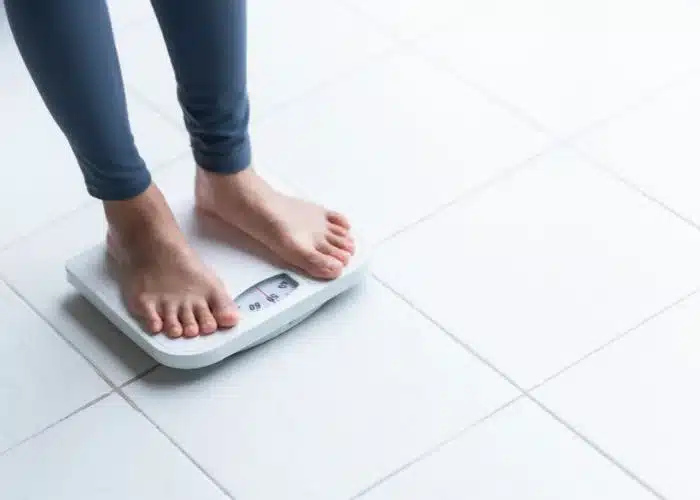
The Scale Jumped. Meloxicam Is Probably Not Why You Think.
You started meloxicam for your arthritis, a bad knee, or chronic joint pain. A few weeks later, your pants feel tighter, the scale is up 3 lbs, and now you’re wondering if this prescription is quietly wrecking your body.
Here’s the truth: meloxicam does not cause fat gain. But it absolutely can make the number on your scale climb, and understanding exactly why that happens will tell you whether to call your doctor or simply adjust your water intake.
What Is Meloxicam?
Meloxicam (brand names Mobic and Vivlodex) is a prescription-strength NSAID (nonsteroidal anti-inflammatory drug) widely prescribed across the US for osteoarthritis, rheumatoid arthritis, and juvenile idiopathic arthritis. It works by selectively inhibiting the COX-2 enzyme, which reduces prostaglandin production and, in turn, lowers inflammation and pain.
Unlike ibuprofen or naproxen you can grab off the shelf at CVS, meloxicam is prescription-only, typically dosed once daily at 7.5 mg to 15 mg. Its long half-life of roughly 20 hours makes it convenient for chronic pain management. But that same mechanism that quiets inflammation is also the reason your kidneys may start behaving differently.
So, does meloxicam cause weight gain? The Clinical Answer
In clinical trials and post-marketing data, weight increase is reported but remains uncommon, occurring in fewer than 2% of patients.
That number matters. It means for the vast majority of people taking meloxicam, the drug itself is not driving the scale up.
What IS documented more clearly is edema—fluid retention causing visible swelling. Fluid retention affects between 0.6% and 4.5% of people in clinical studies, and if left unaddressed, edema may escalate to cardiovascular complications like congestive heart failure, particularly in susceptible individuals. Ascendant NY
This is a critical distinction that most patients miss: the weight you see is water, not fat.
Gaining one pound of actual fat requires consuming a surplus of roughly 3,500 calories. If you gained 3 lbs overnight, it is physiologically impossible for that to be fat. It is entirely fluid. Many patients report seeing the scale increase shortly after beginning their prescription, and generally, 2 to 4 lbs of water weight fluctuation is the expected biological response. Meloxicam Health
The Biology Behind Meloxicam Water Retention
This is where the science gets specific, and it matters for how you manage it.
Prostaglandins regulate renal blood flow by dilating afferent arterioles, the tiny vessels feeding blood into the kidney’s filtering units (glomeruli). When NSAIDs inhibit prostaglandin synthesis, the afferent arteriole constricts, kidney filtration rate drops, and sodium reabsorption increases in the renal tubules. Sodium then causes water retention through osmosis. Snuggy Mom
In plain terms, meloxicam blocks prostaglandins to fight inflammation. Those same prostaglandins also help your kidneys flush out sodium. Block them, and your kidneys hold onto sodium. Sodium holds onto water. Water shows up on your scale.
NSAIDs cause clinically evident edema in 3% to 5% of patients overall. Both non-selective NSAIDs like ibuprofen and selective COX-2 inhibitors reduce prostaglandin synthesis, specifically prostaglandin I2, a potent vasodilator, leading to increased systemic vascular resistance, elevated blood pressure, and reduced renal filtration rate. University of Toronto Press
Who Is Most at Risk for NSAID Weight Gain?
Not everyone on meloxicam will retain fluid. But certain groups face a significantly higher risk:
- Heart failure patients: Extra fluid volume strains an already-compromised heart
- Kidney disease patients: Compromised baseline renal function is worsened by NSAID-induced reduced filtration
- People on diuretics, ACE inhibitors, or ARBs: NSAIDs can blunt the effect of these drugs and promote sodium retention, and even modest NSAID-induced changes in kidney function may translate into noticeable edema and weight gain in these groups Drugs.com
- Older adults: Declining kidney reserve makes fluid handling less efficient
- High-sodium dieters: The standard American diet already stresses kidney sodium handling
Practicality & Management
Meloxicam Bloating vs. True Weight Gain: Know the Difference
Before panicking about meloxicam side effects and weight changes, run this quick self-check:
| Sign | Likely Fluid Retention | Likely True Weight Gain |
| Gained 2-4 lbs within days of starting | Yes | No |
| Shoes/rings feel tighter | Yes | No |
| Ankles or feet look puffy | Yes | No |
| Weight came on gradually over weeks/months | No | Possibly |
| No diet or lifestyle changes | Yes | Unlikely |
| Pressing skin leaves an indentation (pitting edema) | Call your doctor immediately | N/A |
This fluid retention can happen quickly, sometimes within days of starting the medication or increasing your dose. If the swelling appeared fast and is concentrated in your lower extremities, that is a textbook meloxicam water retention pattern, not a metabolism issue. IKON Recovery
Pros & Cons of Meloxicam
Pros:
- Once-daily dosing makes chronic pain management simple
- Prescription-strength anti-inflammatory, more potent than OTC ibuprofen
- Lower GI side effect risk compared to non-selective NSAIDs like naproxen
- Effective for osteoarthritis, rheumatoid arthritis, and juvenile idiopathic arthritis
- Any fluid-related weight gain is typically temporary and reversible
Cons:
- Fluid retention affects 0.6% to 4.5% of users in clinical studies, and if left untreated, can lead to increased risk of cardiovascular complications Ascendant NY
- Blunts the effectiveness of diuretics and blood pressure medications
- Not safe during pregnancy, especially after 20 weeks gestation
- Requires monitoring for patients with existing heart, kidney, or liver conditions
- Long half-life means side effects take longer to clear after stopping
Specific Recommendations: What To Actually Do
These are not generic tips. These are targeted actions based on your situation.
If you just started meloxicam and noticed a 2-3 lb gain:
- Wait 7-10 days. Mild initial fluid retention often self-resolves as your body adjusts.
- Reduce sodium intake below 2,300 mg/day, the American Heart Association’s recommended daily ceiling for most US adults. Source: AHA
- Weigh yourself at the same time each morning, before eating, after using the bathroom. One consistent data point beats random scale checks.
If swelling is visible in ankles, feet, or hands:
- Do not self-adjust your dose.
- Contact your prescribing physician. They may evaluate whether a dose reduction, a medication change, or a short course of a diuretic is appropriate. Other common medicines that can add weight are covered in does gabapentin make you gain weight.
- Some people experience fluid retention on meloxicam, usually in the lower extremities, and it may subside as your body adjusts to the drug, but it warrants a conversation with your doctor regardless. Ocean Recovery
If you are on blood pressure medications or diuretics:
- Flag this to your doctor before starting or continuing meloxicam. The drug interaction is real and clinically documented.
If you have heart disease or kidney disease:
- Meloxicam requires extra caution in your case. Administration of an NSAID may cause a dose-dependent reduction in prostaglandin formation and, secondarily, in renal blood flow, which may precipitate serious complications in patients where renal prostaglandins have a compensatory role RxList
Dietary note for US patients: The average American consumes roughly 3,400 mg of sodium daily, nearly 50% above the recommended limit, largely from processed foods, fast food, and restaurant meals. Source: CDC If you are on meloxicam and eating a high-sodium diet, you are compounding the kidney’s already-stressed fluid handling. Cutting processed food alone can meaningfully reduce meloxicam bloating without changing your prescription.
The Verdict
The scale going up on meloxicam is real, but it is not telling you what you think it is. Two to four lbs of water weight is a biological side effect of how this drug interacts with your kidneys, not evidence that it is making you heavier in any meaningful long-term sense. The concern only becomes urgent when swelling is visible, rapid, and accompanied by shortness of breath or does not resolve.
Monitor your weight consistently. Cut sodium. Talk to your prescribing physician if swelling persists beyond two weeks. And never adjust your meloxicam dose without medical guidance.
FAQs
Citations
Meloxicam Tablets (meloxicam ): Side Effects, Uses, Dosage, Interactions, Warnings. (2021, August 4). RxList. https://www.rxlist.com/meloxicam-drug.htm




Leave a Reply