

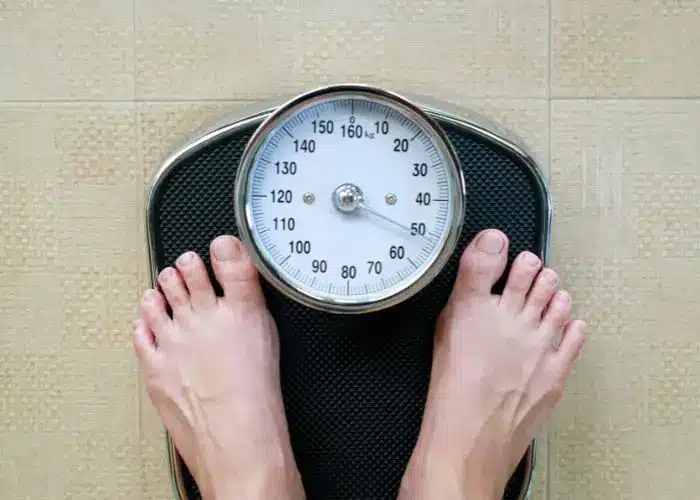
You started gabapentin for nerve pain, seizures, restless legs or sleep, and a few months later the scale has crept up, or your ankles look puffier than they used to. Now you are wondering whether the medicine is the reason, and whether there is anything you can do about it without giving up the relief it brings.
This guide sets out what the clinical trials actually show about gabapentin and weight, how much gain is typical, why it happens, how to tell fluid from fat, and what to discuss with your doctor.
Quick Answer
Yes, gabapentin can cause weight gain, though most people taking it do not gain a large amount. In a meta-analysis of placebo-controlled trials, people on gabapentin gained about 2.2 kg (roughly 5 lb) more than people on placebo. Gain is more likely at high doses taken for a long time: in one study of 44 people on gabapentin for a year or more, mostly above 3,000 mg a day, 25 gained 5 percent or more of their body weight. Part of the gain can be fluid: ankle and leg swelling affected about 7 percent of people in trials, more often at doses of 1,800 mg a day or higher. Do not stop gabapentin suddenly; talk to your doctor about the dose, the swelling, or an alternative.
In this guide:
- What the Trials Show
- How Much Weight, and When
- Why Gabapentin Can Cause Weight Gain
- Fluid or Fat? How to Tell
- What to Do About It
- Can Gabapentin Cause Weight Loss?
- The Verdict
What the Trials Show
Gabapentin (brand name Neurontin, plus Gralise and the related gabapentin enacarbil, Horizant) is used for nerve pain after shingles, epilepsy and restless legs, and off-label for many other conditions including diabetic nerve pain, anxiety, hot flashes and sleep problems.
The clearest overall answer comes from a 2015 systematic review and meta-analysis that pooled 257 randomized trials of 54 commonly prescribed drugs, covering 84,696 patients, to measure how each one changed body weight against placebo. Gabapentin was linked to an average gain of 2.2 kg, similar to several diabetes drugs and the antidepressant amitriptyline. That is an average: some people gain nothing, and some gain considerably more.
| Drug | Average weight change vs placebo |
|---|---|
| Gabapentin | +2.2 kg (about 5 lb) |
| Amitriptyline | +1.8 kg |
| Mirtazapine | +1.5 kg |
| Olanzapine | +2.4 kg |
| Topiramate | -3.8 kg |
| Zonisamide | -7.7 kg |
Source: Domecq and colleagues, Journal of Clinical Endocrinology and Metabolism, 2015. More medicines in this group are covered in medications that cause weight gain.
How Much Weight, and When
The size of the gain seems to depend on dose and time. The most detailed long-term picture comes from a University of Miami study of 44 people with epilepsy who took gabapentin for at least 12 months, at doses raised until seizures stopped or side effects limited them; 28 took more than 3,000 mg a day. Over that time:
- 10 gained more than 10 percent of their starting weight
- 15 gained 5 to 10 percent
- 16 had no change
- 3 lost 5 to 10 percent
For most of them, weight started to rise in the second or third month and levelled off after 6 to 9 months, even though the dose stayed the same. This was a small study without a placebo group, at higher doses than many people take, so it shows what can happen rather than what usually does. A similar pattern, with weight gain appearing after about 6 weeks rather than straight away, has been seen with pregabalin (Lyrica), a closely related drug.
Why Gabapentin Can Cause Weight Gain
The exact mechanism is not fully understood, but three things probably contribute, and they can add up:
- Fluid retention. Swelling of the feet, ankles and lower legs, called peripheral edema, is one of the most common side effects. In a Cochrane review of 37 studies with 5,914 people, it affected about 7 percent of those taking gabapentin. A pooled analysis of three trials found it was more common at 1,800 mg a day or more (7.5 percent) than at lower doses (1.4 percent) or on placebo (1.6 percent).
- Less movement. Dizziness (19 percent), sleepiness (14 percent) and unsteadiness when walking (14 percent) were the other common side effects in the Cochrane review. Feeling drowsy or off-balance makes people move less, which over months can add weight.
- Appetite. Some people notice they are hungrier, and many report eating more, though trials have not measured appetite well enough to say how often this happens.
There is also a benefit side to weigh. Gabapentin’s pain relief can help people sleep and move more, and in the Cochrane review about a third of people with nerve pain after shingles had at least half their pain relieved at 1,200 mg a day or more, against 17 percent on placebo.
Fluid or Fat? How to Tell
| Fluid retention | Fat gain | |
|---|---|---|
| Speed | Can appear within days or weeks, often after a dose increase | Gradual, over months |
| Where | Feet, ankles and lower legs; worse at the end of the day | Spread out, often waist and hips |
| Press test | Pressing the swollen area may leave a dent for a few seconds | No dent |
| Scale | Weight can swing by a few pounds day to day | Steady upward trend |
| What helps | Dose review with your doctor; leg elevation | Diet, activity, and sometimes a dose or drug change |
Swelling that is new, one-sided, painful, or comes with breathlessness is not a typical side effect and needs checking promptly, because it can signal a blood clot or a heart problem.
What to Do About It
- Do not stop suddenly. Stopping gabapentin abruptly can cause withdrawal symptoms and, if you take it for epilepsy, seizures. Any change should be planned with your doctor.
- Track early. Weigh yourself once a week at the same time of day and note any ankle swelling. Gain tends to start in the first few months, so catching it early gives you more options.
- Ask about the dose. Side effects such as swelling are more common at higher doses. The lowest dose that controls your symptoms is the right one, and some people do as well on less.
- Ask about alternatives if weight gain is a real problem. Depending on what gabapentin is treating, there may be options with a different side-effect profile; some anti-seizure drugs, such as topiramate, tend to cause weight loss instead.
- Counter the drowsiness. Taking more of the dose at night (if your doctor agrees) can reduce daytime sleepiness. Regular walking helps with both weight and nerve pain; the walking calorie calculator shows what a daily walk adds up to.
- Watch your waist, not just the scale. Because fluid can swing the scale, waist size is a steadier measure of fat gain; the waist-to-height ratio calculator gives a quick check.
Can Gabapentin Cause Weight Loss?
Rarely. In the Miami study, 3 of 44 people lost weight, against 25 who gained. Weight loss is not a recognized effect of gabapentin. If you are losing weight without trying while taking it, the cause is more likely the condition being treated, nausea, or something unrelated, and unexplained weight loss is worth reporting to your doctor.
The Verdict
Gabapentin can cause weight gain: about 2.2 kg on average more than placebo in trials, with larger gains possible at high doses over many months. Part of it can be fluid in the legs, which is more common above 1,800 mg a day, and part probably comes from moving less because of drowsiness or dizziness, and from appetite. Most people do not gain a lot, and the drug’s pain relief can be worth it. Weigh yourself weekly in the first months, tell your doctor about swelling or steady gain, and review the dose or alternatives together rather than stopping on your own.
FAQs
Citations
Domecq JP, Prutsky G, Leppin A, et al. Clinical review: drugs commonly associated with weight change: a systematic review and meta-analysis. Journal of Clinical Endocrinology and Metabolism, 2015. pubmed.ncbi.nlm.nih.gov
DeToledo JC, Toledo C, DeCerce J, Ramsay RE. Changes in body weight with chronic, high-dose gabapentin therapy. Therapeutic Drug Monitoring, 1997. pubmed.ncbi.nlm.nih.gov
Wiffen PJ, Derry S, Bell RF, et al. Gabapentin for chronic neuropathic pain in adults. Cochrane Database of Systematic Reviews, 2017. pubmed.ncbi.nlm.nih.gov
Parsons B, Tive L, Huang S. Gabapentin: a pooled analysis of adverse events from three clinical trials in patients with postherpetic neuralgia. American Journal of Geriatric Pharmacotherapy, 2004. pubmed.ncbi.nlm.nih.gov
Arnold LM, McCarberg BH, Clair AG, et al. Dose-response of pregabalin for diabetic peripheral neuropathy, postherpetic neuralgia, and fibromyalgia. Postgraduate Medicine, 2017. pubmed.ncbi.nlm.nih.gov




Leave a Reply