
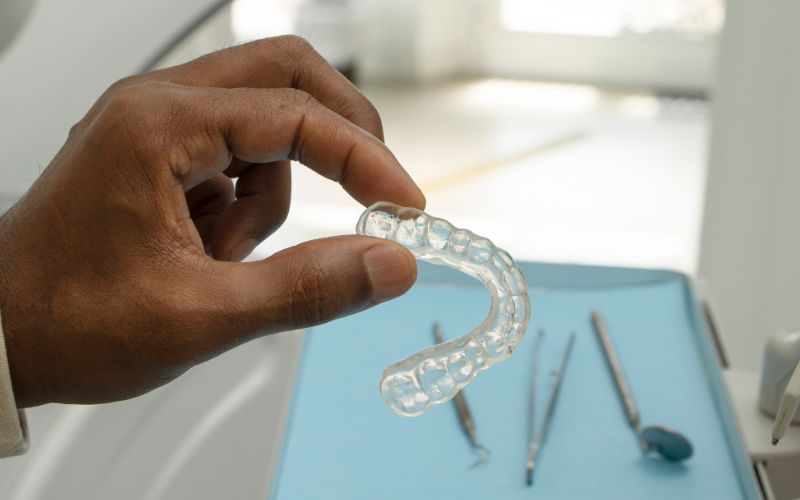
Wearing a retainer plays a vital role in keeping your smile straight after braces; however, most people struggle with one annoying issue of the retainer smell.
If you have ever examined a funky or sour odor coming from your retainer, you are not alone, and fortunately, it’s easy to fix with the proper retainer hygiene habits.
In this guide, we will examine professional recommendations on retainer cleaning habits, why smells occur, and the ideal retainer cleaning methods that are safe and approved by dentists.
This advice is USA‑specific, following suggestions from orthodontists and dental associations, so you must know that it’s authentic and reliable.
AI Overview for Retainer Cleaning
In the U.S., AI‑powered dental care tools and smart cleaning applications are helping people to track when and how to clean their retainers. To ensure retainer hygiene is not neglected, many orthodontic practices now send reminders through smart toothbrush devices, apps, or some apps also provide step‑by‑step visuals on how to properly clean retainers, so you always use safe products and avoid damage.
Why Does Your Retainer Start to Smell?
Retainers fit inside your mouth, a warm environment full of bacteria. Usually, the odors result when saliva, food particles, and plaque add up. In the USA, most people wear clear plastic retainers after braces or Invisalign. The problem can be easily examined because plastic traps bacteria rapidly.
Daily Retainer Care Tips to Stop Bad Smells
Keeping your retainer hygiene daily isn’t hard. It just needs consistency:
- Rinse it after removing it.
- Softly brush it with a mild soap.
- Soak it in a safe solution once or twice a week.
- Store it in a dry, ventilated case when you are not using it.
These easy habits enhance retainer hygiene and prevent bad odor in retainers.
How to Clean Retainers Properly Without Damage
Most people think using toothpaste is fine, but it’s too abrasive. Instead:
- Use lukewarm water and mild soap.
- Try a denture or retainer tablet soak for deeper cleaning.
- Avoid hot water, which can distort the retainer.
- Never use strong chemicals like bleach.
This is exactly what orthodontists in the USA suggested when they talk about cleaning dental retainers safely at your home home.
Pros & Cons of Common Cleaning Methods
| Method | Pros | Cons |
| Brushing with soap | Easy, cheap, effective | Must be gentle to avoid scratches |
| Retainer cleaning tablets | Kills bacteria, removes stains | A strong smell may not kill all germs |
| Vinegar & water soak | Natural, removes odor | Strong smell may not kill all germs |
| Mouthwash soak | Fresh scent, quick fix | Alcohol-based mouthwash can damage plastic |
Specific Recommendations (USA-Based)
- Use products like Retainer Brite or Steraligner, available in U.S. pharmacies and online.
Keep a portable case with a mini brush in your bag or car for quick cleaning on the go. - Schedule a professional deep clean with your dentist every 6–12 months.
- Consider replacing your retainer if it continuously smells after cleaning. Most retainers last 1–3 years with proper care.
Using the right retainer cleaning routine can completely alter your experience. Regular care removes bacteria and protects the material, keeping your retainer comfortable and odor‑free for years.
More Advanced Retainer Hygiene Strategies
If you have already mastered the fundamentals, you can step up your routine with these dentist‑approved practices used by many patients in the USA:
- Deep Soak Once a Week: Make a solution of lukewarm water with a pinch of baking soda or use a retainer‑specific soak. This eliminates odors and keeps your appliance fresh.
- Ultrasonic Cleaner: Many people are now exploring small ultrasonic hygiene devices. These are best to clean dental retainers and remove add up without harsh scrubbing.
- Always Dry Before Storing: Moist environments lead to bacterial growth. After cleaning, pat your retainer dry with a clean paper towel before putting it back in its case.
Habits That Cause Smelly Retainers
It is crucial to know what not to do. If you want to prevent bad odor in retainers, avoid these simple habits.
- Leaving your retainer unwashed for the whole night.
- Eating with your retainer still in place builds up food particles.
- Keep it in a sealed plastic bag without ventilation.
- Using alcohol-based or whitening products that damage plastic.
Benefits of Keeping Retainers Clean
- Longer lifespan: Proper care prevents cracks or distortion.
- Better breath: Fresher breath comes from a fresh retainer all day.
- Healthy gums and teeth: Neutralizing bacteria reduces your risk of oral infections.
- Confidence: You’ll feel more relaxed and confident by wearing a retainer that’s clean and odor-free.
Final Thoughts
Taking care of your retainer is not complicated, just a daily habit. By following expert‑recommended steps and focusing on proper retainer cleaning, you’ll never have odor problems again.
With regular care, smart USA‑based products such as Retainer Brite, and mindful habits, you can enjoy a fresh‑smelling retainer daily. Stay your smile confident and healthy by keeping these daily retainer care tips at hand.
FAQs
Citations
Web, M. (2024, October 4). Tips for keeping your Retainer Clean and Odor-Free. SmilePath New Zealand. https://smilepath.nz/blogs/blog/tips-for-keeping-your-retainer-clean-and-odor-free?srsltid=AfmBOoqzYHayuSdQdW4WRv3SOxL3_jWa-JsJQ4Z6qoitJAS9ftFDHjpI




Leave a Reply